

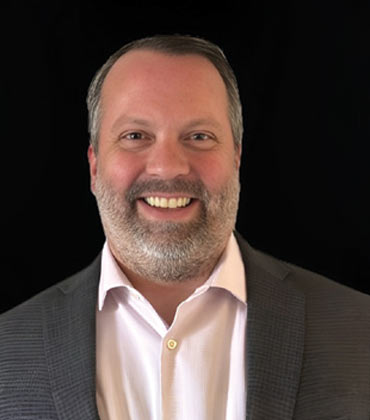
Jason Joyner
Jason Joyner is Co-Founder of VendAmerica, a turnkey vending business opportunity company. He has spent nearly 30 years in vending and refreshment services, beginning with Advantage Refreshments, the route operation founded by his father in 1994.
Building Profitable Operations at Scale
The location is the business. Everything else is execution. A great machine in a weak location loses money and an average machine in a great location prints it. So, my first principle is simple: never place equipment somewhere you wouldn't want to service yourself. For us that means industrial and manufacturing sites with a captive audience, long shifts and need-driven traffic that doesn't depend on the weather or the season.
The second principle is to build to order. Nothing sits in a warehouse waiting for a home. Every asset goes to work against a known location with known traffic. Idle equipment is margin walking out the door and growth that outruns your ability to service it isn't growth, it's a liability with a delivery date.
Small Operational Changes, Big Results
The unglamorous ones. How you set up your warehouse determines how fast trucks load in the morning. How you order product determines your cost basis and you have to watch your margins when you buy, not just when you sell. The route you take and how often you run it determines your cost per stop and frequency should be earned by sales, not set by habit.
Inside the machine, the changes are just as practical. Double-row your best sellers so they never sell out between visits. Phase out the slow movers without sentiment. None of this is complicated. It’s discipline applied every week and it compounds.
Meeting Modern Customer Expectations
Cashless payment is table stakes now and the data it generates should be driving your decisions, not sitting in a report nobody reads. Product expectations have moved too. People want fresher options and more variety and they compare your machine to a convenience store, not to the vending machine of twenty years ago.
The bigger shift is treating response time as part of the product. We put our response commitments in writing with every account because that's what actually keeps accounts. And a fill visit should be treated as merchandising, not restocking. The operator who walks up thinking like a retailer will out-earn the one who's just topping off rows.
Balancing Standardization and Flexibility
Standardize what the customer never sees. Customize what they touch. Contracts, installation procedure, service standards, documentation and response commitments should be identical everywhere, because that's what lets you expand without your quality wobbling. Product mix, pricing and machine configuration should stay local decisions, because a steel plant and an office park do not buy the same things at the same prices.
If you standardize the merchandise, you disappoint customers. If you improvise the process, you disappoint yourself.
What Sets the Best Leaders Apart
Honestly, paying attention. If you do the basics well, you'll do decent and plenty of operators settle there. The best ones study the data and the feedback and adapt to it. They're always looking for new and innovative products and new ways to market them and they squeeze more profit out of every item and every basket. The gap between decent and best isn't machine count. It's yield per transaction and it goes to whoever is watching closest.
