

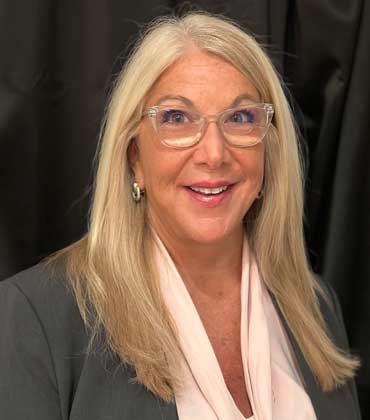
Karen Grezner
Karen Grezner is a dining and hospitality leader with a diverse background in operations, business development, training, consulting and concept innovation across complex, multi-site environments. Now with Cura Hospitality, serving senior living communities, hospitals and behavioral health facilities, she brings a practical, real-world perspective to helping organizations evaluate and strengthen their dining programs. Karen welcomes the opportunity to connect with leaders exploring a more effective approach to food service.
With more than two decades in contract dining and experience on both the client and service provider sides, I’ve seen food service operations from every angle. One principle has consistently proven true: the best outcomes happen when professionals are allowed to focus on what they do best.
It’s a concept that applies to everyday life as much as it does to senior living and healthcare. I have a great doctor, but I don’t want him cooking my meals—and I’m fairly certain a chef wouldn’t want to manage my medical care. Each profession requires its own expertise, training and focus. When those lines blur, performance suffers.
In senior living communities and healthcare facilities, this isn’t just philosophical—it has real operational and experiential consequences. Clinical teams are responsible for medical care, safety and outcomes. Dining teams are responsible for nutrition, hospitality and experience. Both are essential—but they are not interchangeable.
I’ve worked with organizations that self-operate their dining programs, as well as those that partner with professional food service providers. While both models can work, the difference often comes down to one thing: how much risk and responsibility is placed on a few individuals and how sustainable that really is over time.
The Reality of Self-Operated Dining
On the surface, operating dining services in-house can seem simple. In reality, it’s one of the more complex operations within a healthcare or senior living environment.
Success often depends on a manager or executive chef who is expected to do it all and manage food trends, HR, compliance, safety, procurement, cost control, marketing and team development, while still delivering a high-quality dining experience.
That’s not just a big job, it’s an unrealistic one.
Even highly capable leaders can become stretched too thin. The role demands constant attention to administrative, regulatory and operational responsibilities. The result? Less time on the floor, less engagement with residents, patients and guests and fewer opportunities to build and retain strong teams.
"The right partner brings together clinical awareness, culinary expertise and hospitality in a way that feels seamless. Concepts like culinary caregiving and food as medicine aren’t just ideas, they’re reflected in how meals are planned, prepared and delivered every day."
This isn’t a reflection of the individual, it’s a structural limitation.
When the model depends heavily on one or two people, any disruption in turnover, burnout or even time off, can quickly impact consistency and performance. While turnover affects every dining model, the real difference is how it impacts the people being served. In self-operated environments, the absence of a manager can quickly lead to reduced services and a loss of the consistency and attention to detail that residents and patients depend on.
The Value of Professional Support
This is where the difference becomes clear.
A professional food service partner doesn’t just provide food and staffing, it provides infrastructure.
Instead of relying on individuals to create and manage every moving part, there are systems, resources and subject matter experts supporting procurement, compliance, training, menu development, safety and operations. Managers and chefs don’t have to build programs from scratch, they are equipped to execute proven ones.
More importantly, it changes how on-site leaders spend their time.
Instead of managing complexity, they can focus on what actually drives results—food quality, team engagement, hospitality and the resident or patient experience.
Aligning Expertise Across the Organization
There’s also a practical reality when it comes to hiring.
Healthcare organizations are built to recruit clinical professionals. Food service requires a different lens, one that understands culinary skill sets, hospitality mindset and kitchen operations.
In self-operated models, this responsibility is often layered onto internal HR teams or already stretched leaders. In a highly competitive labor market, where food service turnover often exceeds 70 percent annually, this creates additional strain.
A professional food service partner brings dedicated recruiting, training and development programs designed specifically for these roles.
The result is stronger teams, better retention and more consistency without pulling focus away from core clinical priorities.
A Preferred Approach
The most effective partnerships share a common trait: they understand that dining in healthcare and senior living is not just a service, it’s part of the overall care experience.
The right partner brings together clinical awareness, culinary expertise and hospitality in a way that feels seamless. Concepts like Culinary Caregiving and Food as Medicine aren’t just ideas, they’re reflected in how meals are planned, prepared and delivered every day.
Just as important is what happens behind the scenes. With the right support structure in place, on-site leaders can focus less on managing complexity and more on leading their teams and engaging with those they serve.
A Shift in Perspective
This isn’t about suggesting that self-operated programs can’t succeed. Many do.
But in my experience, they often rely heavily on individual effort and that’s not a strategy, it’s a vulnerability.
A supported model distributes responsibility, builds continuity and creates a more stable, scalable operation. There is depth in leadership, access to resources and a system designed for successful, sustainable performance.
Ultimately, it comes back to a simple idea: when people are empowered to do what they do best, the entire organization performs better.
Let’s Continue the Conversation
If you’re evaluating your dining program or simply questioning whether your current model is as effective as it could be, I’d be happy to share insights from my experience on both sides of the table.
Feel free to reach out to start a conversation about how different approaches to food service, whether through consulting, partnership or operational shifts, can better support your goals and enhance the experience for your residents and patients.
