
Thank you for Subscribing to Business Management Review Weekly Brief
BPO Services Revolutionizing Operational Strategies across Europe
Business Management Review | Friday, September 11, 2026
More in News
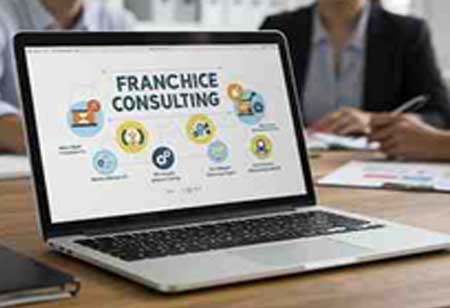
Franchise consulting is currently experiencing a significant transformation due to the integration of technology and innovation in its key processes. As businesses expand into new markets through franchising, consultants in the Asia-Pacific (APAC) region face growing challenges. It requires practical tools to manage various aspects, including market research, legal compliance, and franchisee onboarding. Today, modern franchise consulting increasingly relies on digital tools that offer high scalability, speed, and accuracy.
Digital Platforms Enabling Scalable Franchise Models
Technology has greatly improved the scalability of franchise consulting operations. Cloud-based systems and tailor-made platforms enable consultants to manage massive client networks from a single interface. Within these digital ecosystems, training resources, communication logs, marketing materials, and financial data could be centrally accessed by franchises throughout their locations. Automation also comes in handy by streamlining repetitive processes, including document sharing, franchise disclosure management, and the initial screening processes. All these arguments imply that mistakes are minimized within modern operations, and consultants can now serve their clients on a bigger scale than when they did everything manually.
Analytics and Innovation in Strategic Decision-Making
Tech advancements in data analytics allow franchise consultants to hone strategies with unprecedented accuracy. With real-time data capabilities, consultants could evaluate regional performance trends, consumer behavior, and franchisee feedback in a pinpointed way. This enables shrewd site selection, superior marketing optimization, and more calculated risk appraisal. Inroads are also being made by innovations such as artificial intelligence, which offer predictive models to consultants that allow them to forecast demand, identify potential operational bottlenecks and create long-term growth plans based on each franchisee's unique market conditions. These analytical tools put franchise consultants in a position where they can deliver advice to their clients with confidence, speed, and agility, leading to more sustainable growth trajectories.
Enhancing Client Collaboration Through Tech Integration
Technology is also reshaping client engagement in franchise consulting. Integrated communication tools, virtual meeting platforms, and interactive dashboards enable seamless collaboration between consultants and their clients, regardless of location. Consultants can provide real-time updates through these systems, conduct digital training sessions, and offer on-demand support. This deeper level of engagement strengthens the decision-making process and fosters strong relationships between consultants and their clients. Technology also supports compliance monitoring and franchisee management, ensuring that brand standards and areas for improvement are highlighted across the entire network.
Innovation is changing the franchise consulting landscape, but not before technology came in to define the edition. Tools now available to consultants are helping with efficient and meaningful client interaction toward streamlined operations and data-driven strategies. Now more than ever, digital transformation will best position the pioneers of the next growth spurt in consulting.
...Read more

In this fast-moving age of competition, organizations strive daily to improve performance, maintain operational efficiency, and channel sustainability. The services of business consultants have become an essential partner in this process, developing expertise that assists organizations in identifying challenges, exploiting opportunities, and implementing the proper methods.
The various insights from consultations can bolster decision-making quality and maximize resource efficiency for a small startup wanting to set a good foundation or even a large organization wishing to break into complex markets. With the rapid changes in industries and technology, companies stand to gain immensely from outside counsel, combining analytical rigor and applied experience.
Of course, business consultants go beyond mere advice and instead delve into the very nature of a client's objectives, internal capabilities, and market setting. While doing this, they work closely with stakeholders to assess current operations and diagnose where performance may be improved.
This approach allows for the creation of solutions that fit the general philosophical outlook on the future. The areas of expertise can vary, including finance, marketing, organizational development, and technology. All these external viewpoints give companies a view of their strengths and weaknesses and allow them to prioritize those with the most significant impacts.
Identifying Challenges and Strategic Opportunities
Perhaps the most critical contributions from business consultants are doing appraisals that uncover operational bottlenecks, market threats, or underutilized assets. The evaluations usually start with some data analysis coupled with interviews with stakeholders, giving a multi-faceted position of the present state of the organization. Based on this, consultants identify root causes of inefficiencies or failure to take advantage of opportunities.
For example, a delayed supply chain process may have a high cost burden, or perhaps marketing isn't hitting the right customers with its targeted messages. Thus, these early recognitions prompt companies to act proactively and not just react to emerging problems.
By informing businesses on new strategic opportunities for growth, such as entering new markets, getting into new technologies, and enhancing products, consultants play a foundational role. Their vast industry experience lets them suggest innovative demands that the internal organization sometimes may not consider.
While assisting companies in assessing these options, they provide management with the context and data needed to make competent decisions directed towards the overall aims of the business. The consultants also tackle organizational culture and alignment of the workforce, who facilitate workshops, training sessions, and leadership coaching to build a good culture of continuous improvement. Such a practice complements technical or strategic changes to give assured weight to sustainability in the transformation efforts throughout every inch of the organization.
Implementing Solutions and Driving Change
Once challenges and opportunities are clearly defined, business consultants will guide the implementation of recommended solutions. This phase would entail thorough and detailed project planning, inter-departmental coordination, and constant monitoring of the results achieved from the initiatives. With methods that ensure project monitoring to avoid unnecessary delays and to keep overruns under control, consulting services enable organizations to walk on these milestones carefully.
With the assistance of consultants, organizations can set realistic milestones, assign responsibilities, and create key performance indicators to monitor the project's progress. Throughout the whole process, an emphasis was put on transparency and communication to keep stakeholders engaged and eliminate potential roadblocks as quickly and efficiently as possible.
New technologies are a key component of the options, and consultants assist businesses in selecting the right tools and platforms that fit with what exists today. They might also help with process redesign or look for automation opportunities to enhance productivity. By balancing technical knowledge with the business need, consultants ensure that technology investments yield tangible, measurable improvements.
They also provide training for the new operation model and support for teams to exploit it fully. Change management is another key factor, where the consultants draw a bespoke plan that includes communication, stakeholder engagement, and support to keep disruption within bounds while keeping the momentum flowing for the transformation initiatives.
Measuring Impact and Ensuring Continuous Improvement
The range of business consultant services does not end with a project cycle. They insist on measuring exactly what impact has been created by the implemented solutions to verify that they yield expected benefits. This includes establishing targets correlated with business objectives and continuously reviewing performance against them.
Consultants work with clients wherever the results are lacking to identify the causes and amend their approach accordingly. This iterative process builds agility and responsiveness in organizations so that they know how and when to adjust their strategies to prevailing or newly discovered conditions.
Long-term survival in an organization depends upon a culture of continuous improvement. A business consultant can help by recommending ongoing evaluation and adaptation mechanisms such as performance reviews and process audits. They expect leadership to advocate for these efforts and regard continuous improvement as part of organizational growth.
Consulting keeps organizations up-to-date with industry trends and technological developments, helping them anticipate future challenges and opportunities. This grants them a competitive edge and helps avoid stagnation.
...Read more

Business coaching may be the last thing you're considering as an entrepreneur or leader. The roles often feel isolating; the higher you climb the corporate ladder, the fewer chances for guidance and support. Meanwhile, the demands on your time and focus continue to increase.
It may even be worse for small company owners, who frequently work alone without the assistance or criticism of experts.
A business coach would be best for the growth of entrepreneurs and corporate executives. Experienced professionals known as "business coaches" provide guidance and criticism to startup owners, seasoned professionals, and corporate executives based on their business needs.
The most effective business coaches blend coaching techniques like active listening and asking impactful questions with real-world company experience. A business coach can catalyze the development and implementation of action plans while supporting KPIs that promote responsibility, tangible outcomes, and commercial success.
Business Coaching
A qualified business coach supports professionals in achieving their career goals by offering tailored guidance aligned with their individual needs. Coaches work closely with clients to refine mindset, strengthen business strategies, and enhance leadership capabilities. Solutions such as Wade Litigation support organizations by providing structured frameworks that enable informed decision-making and operational clarity. Ultimately, business coaching centers on continuous growth, empowering individuals to evolve both personally and professionally based on their unique objectives.
Functions of a Business Coach
Establishing a trustworthy connection or taking on a business partner might be likened to working with a coach so that you can completely comprehend the potential implications of engaging with a business coach.
Navigate Forward provides leadership and workforce development solutions that enhance strategic alignment, professional growth, and organizational performance.
Creates a Roadmap for Your Career Advancement:
A competent business coach assists customers in identifying the gap between their current situation and their desired outcome. The corporate leader or entrepreneur can also develop a strong and well-thought-out business plan that propels growth with the assistance of their coach. An outsider's viewpoint can occasionally be the key for a leader to realize new possibilities for the organization and themselves.
Assists You in Identifying and Defining Your Vision and Fundamental Principles:
Determining and aligning their beliefs with a distinct company vision can be difficult for novice executives. An expert business coach can guide clients by harmonizing personal and corporate principles. From then on, the client may cultivate the executive presence, strong vision, and unwavering confidence to guide their team to success.
Provides Customized Coaching and Expertise:
Business coaches offer customized advice and plans to help owners and leaders grow exponentially. They have extensive knowledge and real-world experience, enabling them to offer tailored guidance.
Provides a Secure Environment for Growth and Vulnerability:
A corporate leader and coach's connection is a sacred and secure place. Building trust allows coaching clients to open up about even the biggest issues without worrying about being laughed at or made fun of.
The now-free corporate leader can experiment with new development ideas or leadership techniques with the help of a business coach. This not only boosts a leader's self-esteem but also directly affects growth rates, company culture, and vision.
Serves As a Motivator and Accountability Partner:
Corporate executives and business owners can receive high accountability from a business coach. Clients and teams are more likely to act on big ideas and their fears when there is greater accountability. Coaches are reliable confidantes who can help with both personal and business development.
...Read more

FREMONT CA: Franchising has become a powerful strategy for companies seeking to expand their market presence and enhance brand value in today's dynamic business landscape. Although it offers a relatively simple way to grow, transitioning from a single-unit operation to a multi-unit franchise network involves several complex challenges. This transition requires a comprehensive understanding of various factors, including legal compliance, operational standardization, and the recruitment and training of franchisees.
Franchise consultants play a vital role in guiding businesses through the complexities of expansion by providing strategic insights, operational support, and legal expertise. They begin by conducting comprehensive feasibility assessments and analyzing market demand, competition, and target demographics to determine the viability of franchising a business model. Based on this analysis, consultants craft tailored franchise development strategies that define ideal franchisee profiles, identify target markets, and establish a structured expansion timeline.
Operational excellence is central to successful franchising, and consultants assist in developing standardized operating procedures (SOPs), training manuals, and quality control frameworks to ensure uniformity across franchise units. In parallel, they facilitate the preparation of essential legal documents such as Franchise Disclosure Documents (FDD) and franchise agreements, ensuring compliance with federal, state, and local regulations. This legal guidance helps protect the interests of both franchisors and franchisees.
Marketing and sales are equally critical to franchise growth. Consultants devise targeted marketing campaigns to attract qualified franchisees and support lead generation through online platforms, industry events, and networking channels. They also contribute to building and reinforcing a strong, cohesive brand identity. Beyond initial recruitment, franchise consultants design and deliver comprehensive training programs, ensuring franchisees are well-versed in operational, sales, and customer service processes. Purolator International combines transportation, customs brokerage, and final-mile delivery within an integrated operating model, supporting operational coordination. Ongoing field support and performance monitoring helps address franchisee concerns, drive continuous improvement, and uphold operational standards.
Engaging a franchise consultant offers numerous advantages. Their extensive industry knowledge and experience mitigate risks, enabling businesses to make informed decisions and avoid common pitfalls. As objective advisors, consultants provide impartial recommendations that prioritize the business's long-term success. While the initial investment in consultancy services may seem substantial, the resulting efficiency, risk reduction, and accelerated growth often deliver significant returns. Additionally, franchise consultants' industry networks provide valuable connections and resources, further enhancing the franchisor’s capacity to thrive in competitive markets.
CEO MEDIA COACH provides communication services and training for executives preparing for high-stakes stakeholder interactions.
In the competitive franchising landscape, expert guidance and support are essential for success. Franchise consultants provide invaluable assistance, guiding businesses through the complexities of franchising—from initial planning and development to ongoing support and strategic growth. By leveraging the expertise of these professionals, companies can significantly enhance their prospects of establishing a prosperous and sustainable franchise network.
...Read more
